
Table of contents


How Integrated Care Coordination and Navigation Improve the Resident Experience
We’ve explored the difference between care coordination and care navigation—and why both play an important role in supporting residents in senior living communities. But understanding the difference is just the starting point. The real impact happens when these two functions work together.
For senior living operators, the challenge isn’t simply organizing care. It’s delivering a seamless, proactive experience that supports residents across every stage of their health journey. By combining strong care coordination systems with proactive care navigation, communities can unlock a more streamlined, responsive, and resident-centered model of care.
Simplifying the Medicare Experience for Residents and Staff
Navigating Medicare processes can be complex for residents, families, and even community staff. From understanding coverage to coordinating services across providers, the administrative burden can quickly become overwhelming.
Care coordination ensures that services are properly aligned, documentation is shared, services are scheduled, and providers stay informed. Care navigation builds on that foundation by actively guiding residents and families through the process in real time.
Together, this means:
• Faster access to appropriate services
• Fewer delays in care delivery
• Clearer communication around benefits and coverage
For operators, this reduces friction for both staff and residents—creating a smoother, more efficient experience that reflects positively on the community as a whole.
Shifting from Reactive to Proactive Chronic Condition Management
Many residents are managing multiple chronic conditions that require ongoing attention, monitoring, and adjustment. Traditional models often rely on reactive care—responding after a change in condition or a health event.
When care coordination and care navigation work together, that approach shifts from reactive to proactive.
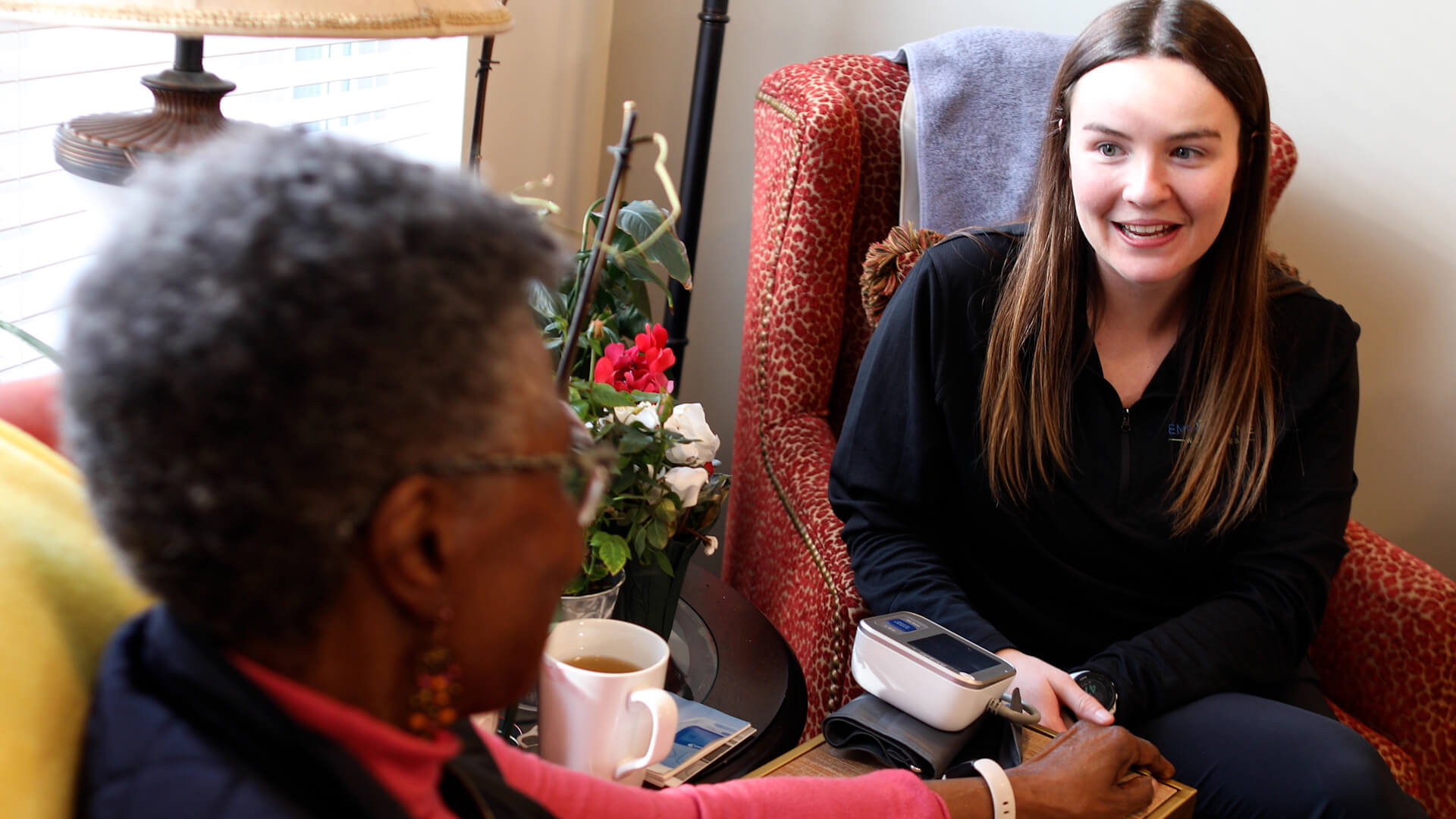
Care coordination ensures that all providers are aligned on treatment plans, medications, and follow-ups. Care navigation adds a critical human layer—regular check-ins, early identification of changes, and timely communication with physicians and families.
This combined approach helps:
• Identify issues before they escalate
•Reduce unnecessary hospitalizations and ED visits. This proactive approach plays a key role in reducing hospital readmissions in senior living by identifying risks early and coordinating timely interventions.
• Support consistent, long-term health management
For operators, this translates into better outcomes, stronger resident stability, and a higher level of confidence from families.
Supporting Seamless Transitions Across Levels of Care
Transitions—whether from hospital to community, independent living to assisted living, or short-term rehab back to daily routines—are some of the most vulnerable moments in a resident’s care journey.
Without strong support, these transitions can lead to confusion, missed information, and increased risk of readmission.
Care coordination provides the structure ensuring discharge instructions are received, follow-up services are scheduled, and communication flows between providers. Care navigation ensures those plans are carried out smoothly, with someone actively overseeing the transition and addressing gaps in real time.
The result:
• Fewer breakdowns in communication
• Better adherence to care plans
• A more confident and supported resident experience
For community teams, this reduces the operational strain that often comes with managing complex transitions.
Why Care Coordination and Navigation Work Better Together
Care coordination and care navigation are not interchangeable, but they are most powerful when they are fully integrated.
One provides the system. The other provides the human connection.
Together, they create a model where care is not only organized but also actively guided, continuously monitored, and centered around the resident’s evolving needs. This integrated approach is proven to drive better results, as explored in how integrated care in senior living improves outcomes.
This is where solutions like EmpowerMe 360 bring these elements together—combining coordinated clinical services with proactive care navigation to support residents, families, and community teams alike. And for residents living with dementia, programs like GUIDE extend that support even further, ensuring both clinical and caregiver needs are addressed.
For senior living operators, this integrated approach isn’t just an enhancement—it’s a strategic advantage. It leads to stronger outcomes, more efficient operations, and a resident experience that truly feels seamless.